What we should know
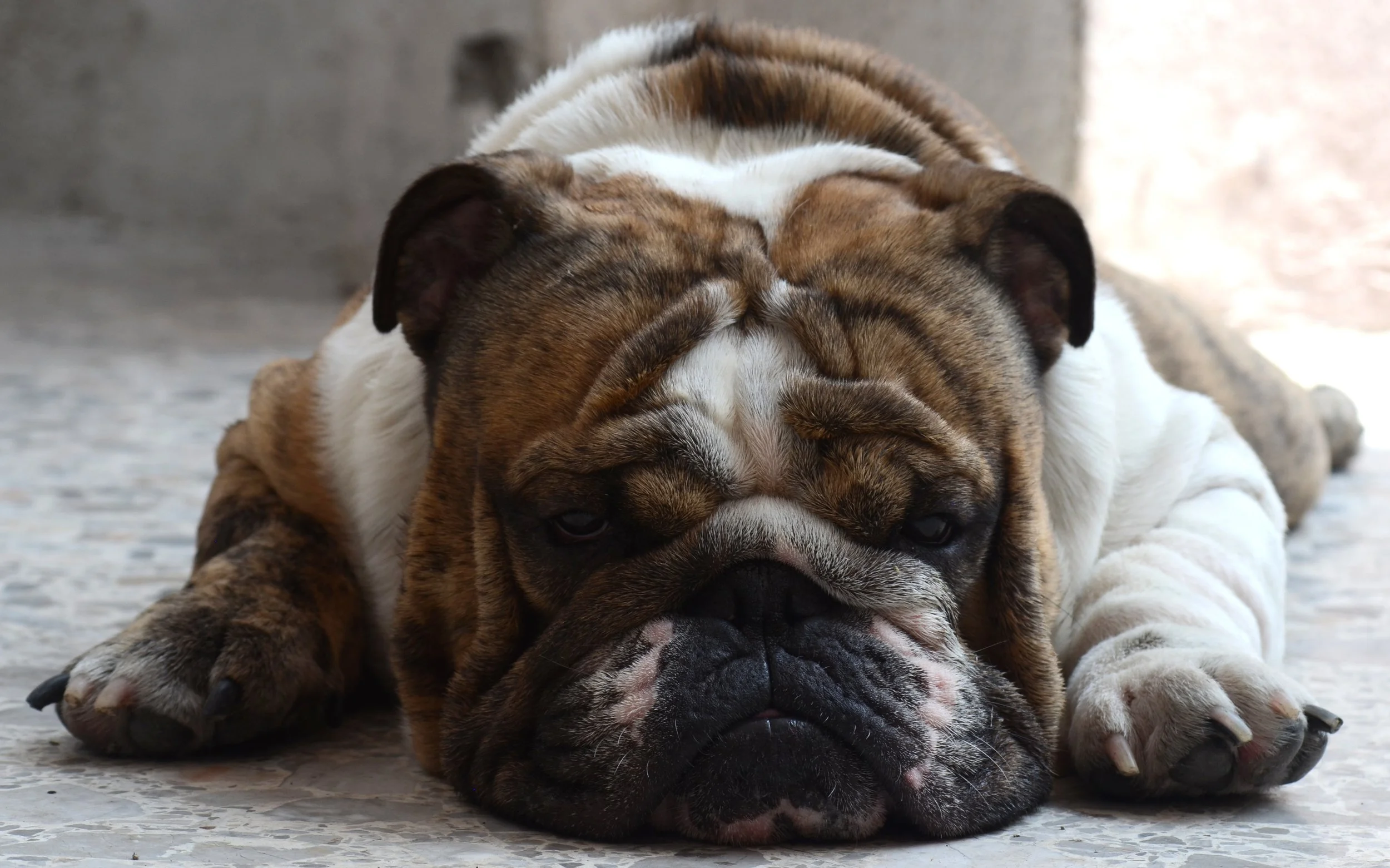
Brachycephalic Obstructive Airway Syndrome is a breathing problem that affects flat-faced dogs like Pugs, French Bulldogs, and English Bulldogs.
Their short skulls crowd their soft throat and nose tissues, which blocks air and makes it hard to breathe.
Anatomical issues that flat-faced dogs can face:
- Narrow nostrils that prevent normal air flow
- Crowded (thick turbinate) nose and throat, causing poor air flow; turbinates can overgrow as far as the nasopharynx
- A very thick and overgrown tongue that obstructs air flow
- An elongated soft palate that closes the larynx and stops air from passing through
- Laryngeal cartilage issues that can develop into laryngeal collapse, further blocking air flow
Symptoms
Signs of BOAS can show up when a dog is still a puppy, but most patients come to clinic with breathing problems when they are 2–4 years old.
You may notice:
- Noisy breathing
- Snoring, especially when sleeping
- Restless or disturbed sleep
- Heavy panting, even when resting
- Getting tired quickly
- Not wanting to exercise, which can lead quickly to being overweight
- Struggling in hot weather — can lead to heatstroke
- Difficulty eating or swallowing
- Bringing food back up or vomiting, sometimes because of the effort needed to breathe
- Blue or grey gums/tongue, which mean they aren’t getting enough oxygen
- Fainting or collapsing — that’s an emergency situation
Surgical Correction
Surgical correction may be recommended for dogs with BOAS to help improve airflow. Our team can assess your dog and discuss options. Contact Artemis Veterinary Clinic to get a quote and book a consultation.